

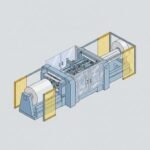
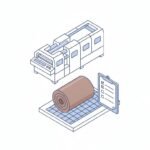
Struggling with waste trim on your slitting line? It tangles, it breaks the web, and it causes constant, frustrating downtime. In my experience, poorly managed trim is one of the biggest hidden profit killers[1] in a converting operation. The solution isn’t just to get rid of the trim, but to choose the right trim removal systems that match your specific material, speed, and business goals.
The best trim removal system—be it suction, blower, or winder—is the one that minimizes your total cost of ownership. The choice depends entirely on your material’s properties[2] (like dust or static), your production speed, the width of the trim, and whether the waste itself has any recycling value.
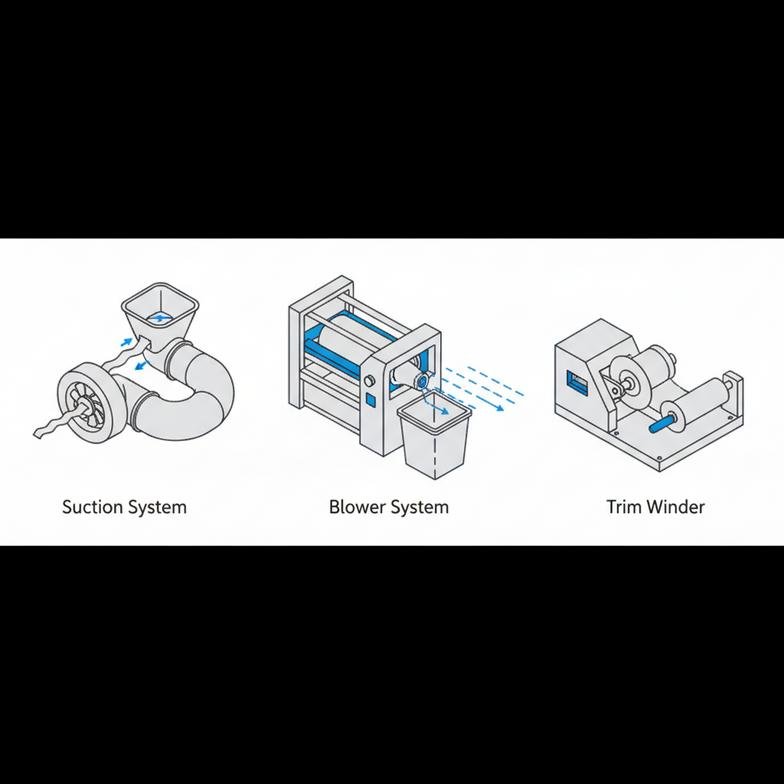
Choosing a system based on initial price alone is a common and costly mistake. The “cheapest” option can quickly become the most expensive one through lost production and wasted material. Let’s break down the decision-making framework I use with my clients to help them select a system that actually makes them money instead of costing them.
When Is a Suction System the Right Choice for Your Trim Removal System?
Running your slitter at high speeds, but constantly fighting dust contamination or trim that seems to have a mind of its own? This dust can end up in your finished rolls, leading to quality rejections, and a snapped trim edge can cause a web break that shuts down the entire line[3]. For these high-intensity applications, a powerful suction system is often the only viable solution.
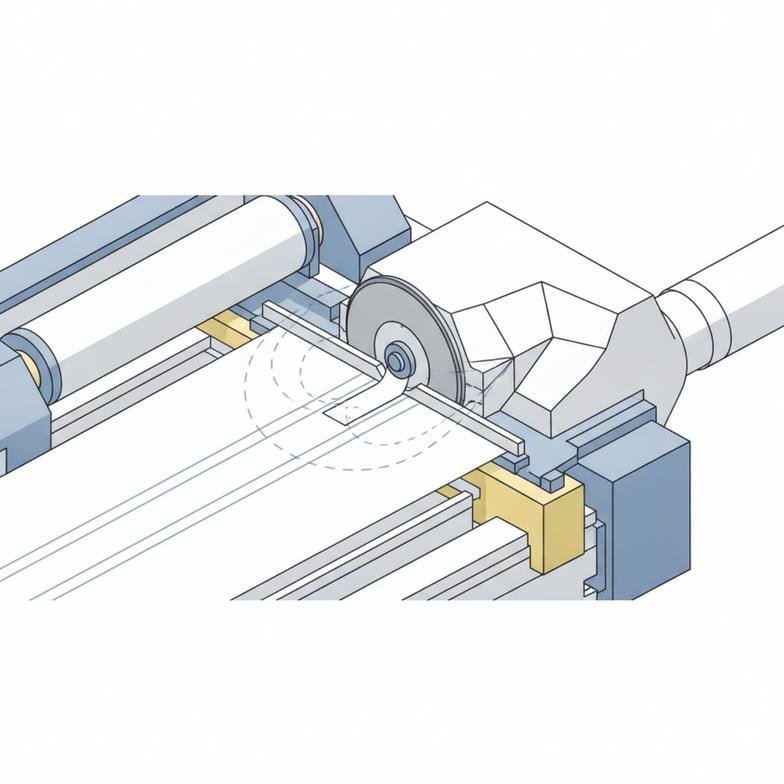
A suction-based trim removal system is the best choice for high-speed applications or when handling dusty, brittle, or static-prone materials. It actively pulls the trim edge away from the knives and through enclosed ductwork, ensuring clean cuts and preventing contamination of the main web and finished rolls.
Dive Deeper
A suction system is more than just a vacuum cleaner. It’s an engineered solution that has to be precisely matched to your process. The key variables are the air volume (measured in CFM or m³/h) and the transport velocity[4]. These need to be calculated based on what you’re running.
- Dusty Materials: For materials like thermal paper, certain nonwovens, or uncoated paper, dust is your enemy. A properly designed suction system pulls this dust away at the point of creation, preventing it from embedding in your finished rolls.
- Brittle Materials: Materials like some films and foils can create a very fine, sharp trim edge. If this edge isn’t immediately and continuously captured, it can easily snap, wrap around a roller, and cause a line stoppage.
- High Speeds: The faster your line runs, the faster the trim is generated. At speeds over 300 m/min[5], you need significant air velocity just to keep up and prevent the trim from fluttering and breaking.
A cautionary tale about undersizing
I once worked with a film converter who was running high-static PET film. To save on initial costs, they opted for a basic, undersized suction system. The problem was, the static electricity caused the narrow film trim to cling[6] to the inside of the ductwork constantly. Every few hours, the pipe would clog, the trim would back up, and the line would have to be stopped for a manual clean-out.
They thought they had saved $10,000 on the system, but my analysis showed they were losing over $5,000 per week in downtime and operator labor. We replaced it with a properly sized system with anti-static components. The clogging stopped, and their uptime immediately shot up by 15%. The initial “savings” were a mirage.
Here is a simplified table showing how material affects suction requirements:
| Material Type | Key Challenge | Suction System Requirement |
|---|---|---|
| Coated Paper | High dust generation | High air volume (CFM) to capture dust |
| PET Film | High static, prone to clinging | High transport velocity, anti-static ductwork |
| Brittle Nonwoven | Low tensile strength, breaks easily | Smooth, continuous suction, no sharp bends |
| Aluminum Foil | Sharp edges, can cut ductwork | Hardened steel intake nozzles, consistent velocity |
Could a Simple Blower Be the Most Effective Trim Removal System?
You know you need to guide the trim away from the slitting section, but investing in a complex suction system or winder feels like overkill for your operation. You’re running at low speeds, the material isn’t particularly valuable or messy, and you just need a simple, reliable solution. Is it possible that a basic blower is all you need?
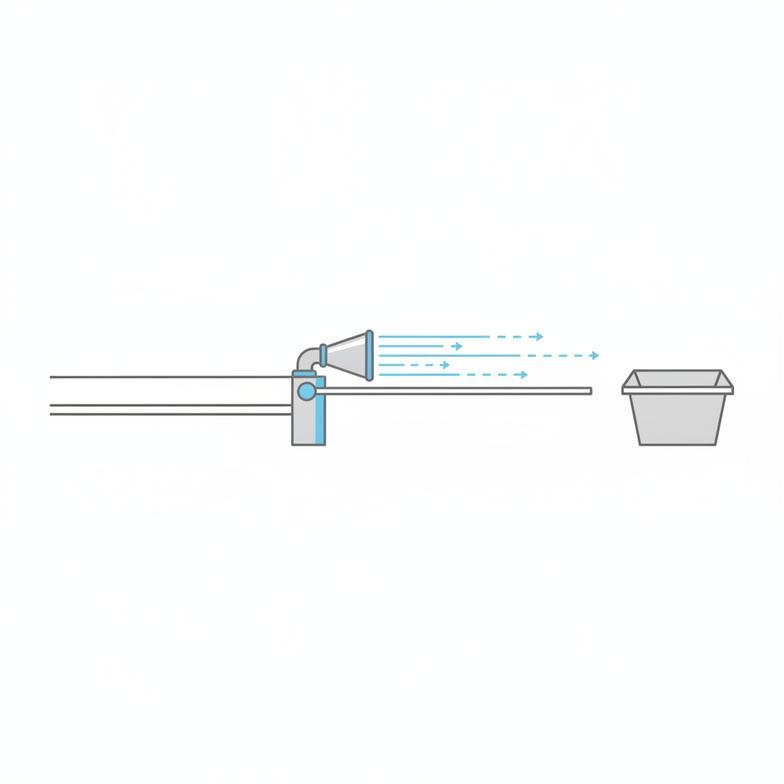
For some specific applications, a blower system can be a cost-effective choice. It’s best suited for low-speed lines running materials that are not prone to tangling or creating dust, where the primary goal is simply to push the trim into a nearby collection bin.
Dive Deeper
A blower system is the simplest of the three options. It uses a directed jet of air to push the trim edge away from the web and toward a collection point. It has very few moving parts, is inexpensive to install, and requires minimal maintenance.
However, its simplicity is also its biggest weakness. I rarely recommend a blower system unless very specific conditions are met:
1. Low Speed: The line speed must be low enough that a gentle puff of air can reliably direct the trim. At higher speeds, the trim will simply fly past the air jet. 2. Non-Critical Material: The material should not be sticky (like adhesive label stock) or have high static. A blower will just turn a sticky trim problem into a bigger, messier problem inside the collection bin. 3. Wide Trim: Blowers work best on relatively wide, stable trim (e.g., >15mm). Very narrow trim (1-3mm) is like a wet noodle—it has no body and will simply flutter and tangle instead of following the air stream[7]. 4. Low Value: The trim should have no recycling value, as this method offers no way to keep it clean or segregated.
When simple becomes complicated
I consulted for a tape manufacturer who used a blower system because it was cheap. They were slitting wide rolls of adhesive tape, creating a 10mm trim edge. The blower successfully pushed the sticky trim off the line… where it promptly formed a giant, sticky ball in the collection bin.
Every shift, an operator had to spend 30 minutes with a scraper and solvents to clean out the bin. It was a messy, unsafe job that created hazardous waste. In this case, the “simple” blower created a new, more expensive labor and safety problem downstream. A trim winder, which would have wound the sticky trim onto a disposable core, would have been a far better, albeit more expensive, initial choice.
Are Trim Winders the Best Trim Removal System for Valuable Waste?
You look at the scrap bin at the end of every shift and see money being thrown away. Your waste trim—perhaps a clean, high-grade polymer or metal foil—has significant recycling value[8], but your current removal system chops it up, contaminates it, or mixes it with other waste. How can you capture that value instead of paying to have it hauled away?
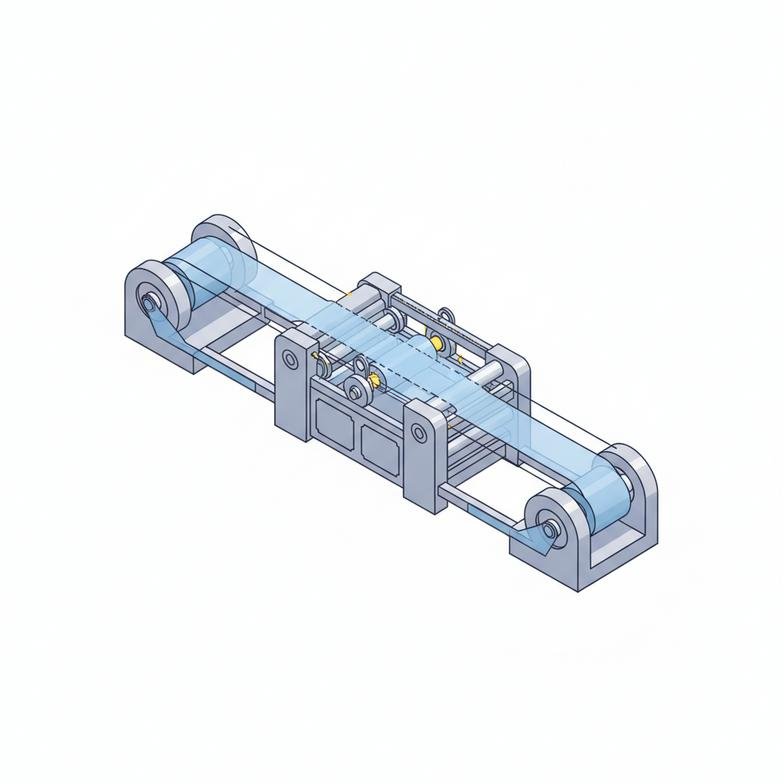
Trim winders are the ideal solution when your waste material has high intrinsic or scrap value. By winding the trim edges onto separate spools, you create neat, dense, and clean rolls of scrap that are easy to handle, transport, and sell to recyclers, often turning a waste-disposal cost into a revenue stream.
Dive Deeper
A trim winder, sometimes called an edge winder or scrap winder, uses an independent motor and core holder to pull the trim edge under constant tension and wind it into a tight roll. This is the only method that preserves the trim in a continuous, clean, and dense format.
The business case for a winder is usually a straightforward calculation. I always ask clients to consider this:
ROI = (Revenue from Scrap Sales) – (Disposal Costs Avoided) – (Labor for Handling Wound Rolls)
If that number is positive, a winder is often a very smart investment.
- High-Value Materials: This is the best choice for materials like copper foil, aluminum foil, clean PET film, and specialty nonwovens. Recyclers pay a premium for segregated, clean, and dense scrap because it’s easier for them to process[9].
- Zero Contamination: Unlike suction systems that can pull in ambient dust, a winder touches only the trim itself. This is critical for applications where scrap purity is essential for recycling.
- Oscillating Winders: For very narrow trim, an oscillating or traverse winder[10] moves back and forth as it winds, creating a stable, level-wound roll similar to a spool of thread. This allows you to wind many kilometers of trim onto a single core, reducing the frequency of operator intervention.
The foil converter who turned waste into profit
A great example comes from a client in the flexible packaging industry who slits thin-gauge aluminum foil. They were using a suction system that chopped the foil into tiny pieces, which were collected in a large bag. This chopped scrap was contaminated and had a very low value.
We installed a dual trim winder system. The clean, tightly wound spools of aluminum foil were sold to a metal recycler for nearly 80% of the raw material’s value[11]. The system paid for itself in just under seven months. More importantly, it transformed the mindset at the plant: waste trim was no longer garbage; it was a co-product.
However, winders aren’t for everything. They are not suitable for brittle or dusty materials that can’t be wound under tension, and they do require an operator to periodically stop, cut the trim, and replace the finished roll.
Frequently Asked Questions
What’s the biggest mistake people make when choosing trim removal systems?
The biggest mistake is buying based on the slitting machine supplier’s standard, default option without analyzing your specific material and speed. The system must be matched to your process, not just be an accessory on a quote.
Can I use one system for many different materials?
It’s challenging. A powerful suction system designed for dusty paper might be too aggressive for delicate film. A winder is useless for brittle materials. If you run a wide variety of materials, you may need a more flexible (and likely more expensive) system or accept that it will only be optimized for your primary product.
How much does trim width affect my choice?
It’s a huge factor. Very narrow trim (<5mm) is difficult to control and often requires suction to prevent breaks. Wider trim (>20mm) is more stable and can be handled by a winder or even a blower in low-speed cases. The volume of waste generated is directly proportional to trim width and line speed.
How much maintenance do these systems require?
It varies. Blowers require the least. Winders need periodic checks on motors and tension controls. Suction systems are the most demanding; they require regular inspection of ductwork for clogs, filter cleaning or replacement, and maintenance of the fan/motor unit. Neglecting maintenance on a suction system is a leading cause of performance degradation and downtime[12].
Conclusion
Choosing the right trim removal system isn’t a minor detail; it’s a critical business decision that directly impacts your slitting line’s profitability, safety, and efficiency. Instead of asking “which technology is best?,” the right question is “which technology presents the lowest total cost of ownership for my specific application?” The answer lies in a careful analysis of your material, production speed, trim width, and the economic value of your waste. A suction system masters speed and dust, a winder captures value, and a blower offers simplicity for non-critical tasks. Making the wrong choice leads to endless downtime, while the right choice can run silently for years, protecting your quality and profits.
If you’re evaluating a new slitting line or struggling with an existing one, don’t leave this crucial component to chance. Contact the team at JHSlitter. We can help you analyze your process and configure a complete slitting and trim removal solution that is perfectly matched to your materials and your business goals.
References
- Average Cost of Downtime per Industry – pingdom.com↩
- The basics of web trim slitting↩
- TRIM Proteins and Their Roles in Antiviral Host Defenses – PMC↩
- OSHA Technical Manual (OTM) – Section III: Chapter 3↩
- WEB TENSION IN A FLOTATION DRYER↩
- Triboelectric effect↩
- Unsteady Aerodynamics, Aeroelasticity, & Flutter↩
- Statewide Average Monthly Scrap Value Notice – CalRecycle↩
- What is recycling contamination? | In Our Nature↩
- Coil winding technology↩
- Recycling Aluminum Compared to Primary Production – Stanford↩
- Fixing common problems in pneumatic conveying systems↩