

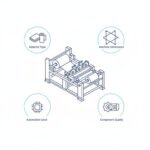
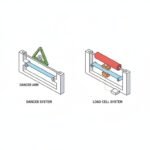
Struggling to look past the initial price tag and advertised speeds when buying a new machine? Many factory owners focus on these numbers, only to be blindsided by the hidden costs of downtime and repairs later on. The best preventive maintenance planning for slitter rewinders doesn’t start with a generic checklist after delivery; it begins by asking tough questions during the procurement phase to uncover a machine’s true long-term value and reliability.
A successful preventive maintenance plan is a critical risk assessment tool that should be evaluated before you purchase a slitter rewinder. It is fundamentally determined by the supplier’s design philosophy, component quality, and lifecycle support model. A credible plan is always specific to your machine’s configuration and your unique production environment, not a one-size-fits-all document.
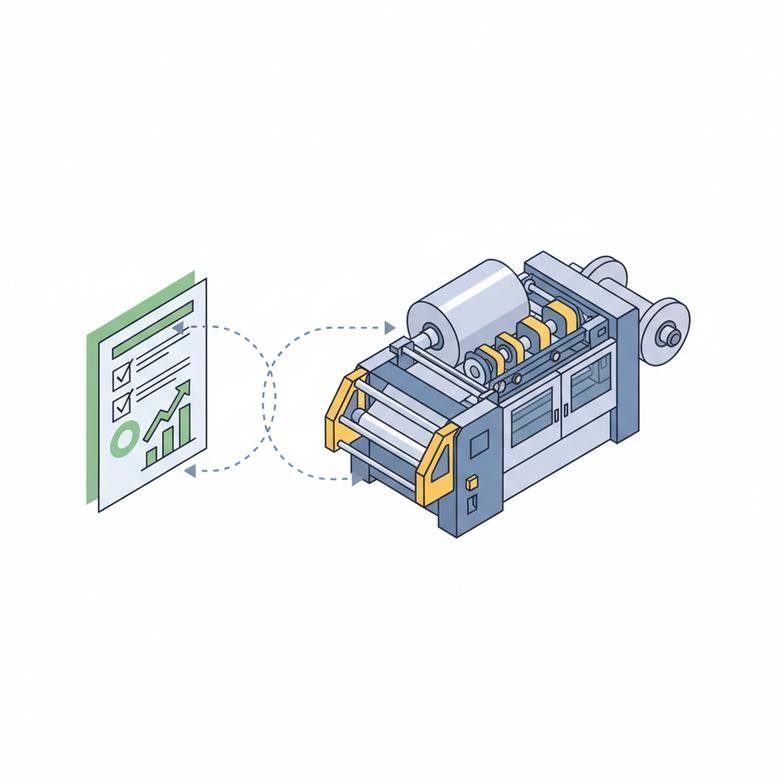
Thinking about maintenance before you buy shifts your focus from just acquiring a piece of equipment to investing in operational continuity. A generic schedule is a red flag. Let’s dive into the specific questions you should be asking to distinguish a reliable partner from a supplier just trying to make a quick sale.
Why Is a "One-Size-Fits-All" Maintenance Plan a Red Flag?
You’re evaluating a supplier, and they hand you a neatly printed, generic maintenance schedule. It seems professional, right? The problem is that applying a standard plan to a highly specific industrial process is like using a family car’s service manual for a 24/7 delivery truck—the operating conditions are completely different, and failure is inevitable.
A "one-size-fits-all" plan is a red flag because it completely ignores the three biggest variables that determine wear and tear on your slitter rewinder: your material, your production intensity, and your machine’s specific configuration. A trustworthy supplier knows this and helps you plan for it.
How Your Material Changes Everything
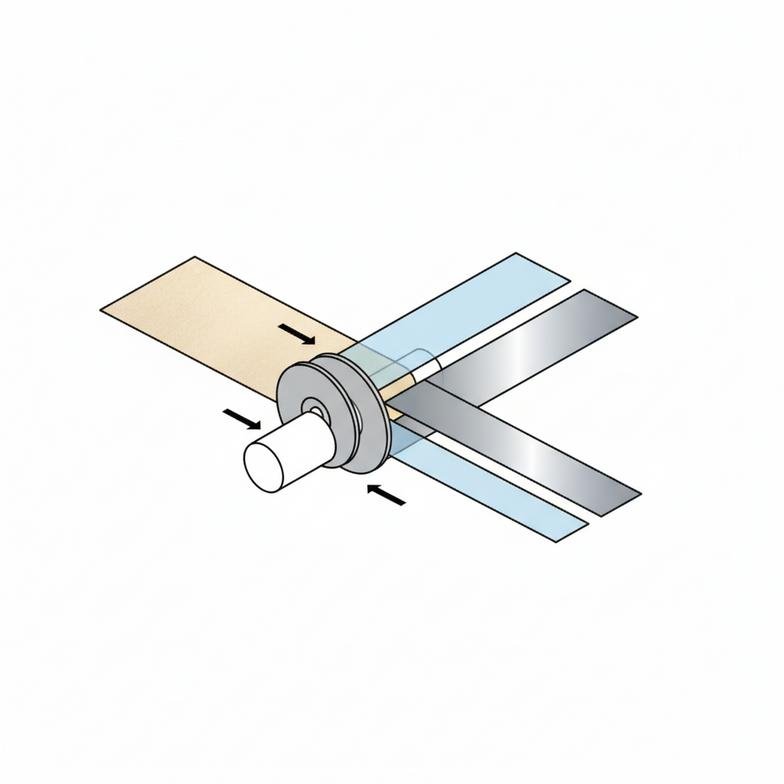
The material you slit is the single most important factor in determining your maintenance needs. Processing different substrates places unique stresses on every part of the machine, from the blades to the rollers and tension system.
I remember a conversation with a customer in the paper converting industry who was running abrasive, high-recycled-content paperboard. Their blades were dulling much faster than they expected. They were following the generic schedule provided by their previous supplier, which was based on running smooth, prime-grade paper. The reality is that abrasive materials act like fine-grit sandpaper on your blades and guide rollers.
- Abrasive Materials: Paper with high filler content, recycled board, and certain non-wovens create dust and accelerate wear on slitting blades and bearings. Maintenance frequency for blade sharpening/replacement and bearing lubrication must be higher.
- Delicate Films: Thin, stretchy films are less abrasive but extremely sensitive to imperfections. Any minor scratch on a roller or a slightly dull blade can cause web breaks, wrinkles, or scratches on the finished roll. Here, maintenance is less about wear and more about maintaining perfect surface quality.
- Metal Foils: Aluminum and copper foils are unforgiving. They require exceptionally sharp, durable blades (often tungsten carbide) and a perfectly aligned web path to prevent fractures or edge defects. The maintenance focus is on preserving absolute precision.
The Impact of Production Intensity
A machine running a single 8-hour shift five days a week will have a dramatically different maintenance profile than one running 24/7. It sounds obvious, but many generic plans don’t account for it.
Think about it in terms of a car’s mileage. A 50,000-mile service interval is based on average driving. If you’re a taxi driver covering that distance in six months instead of three years, you have to adjust your schedule. The same logic applies to your slitter.
- Single-Shift Operation: Lower wear on motors, bearings, and drive systems. Longer intervals between lubrication and parts replacement are often acceptable.
- 24/7 Operation: This is where reliability is truly tested. Heat buildup is constant, stress on components is maximized, and there is no "cool-down" period. A 24/7 schedule demands a proactive and more frequent maintenance plan, focusing on predictive replacements of key wear parts before they fail.
A credible supplier will ask about your target production hours and help you build a maintenance forecast based on that intensity level.
How Does a Supplier’s Design Philosophy Impact Your Preventive Maintenance Planning for Slitter Rewinders?
When you compare two slitter rewinders, are you just looking at the spec sheet? The speed, width, and price are important, but the supplier’s design philosophy—their core approach to building machines—has a much bigger impact on your daily operations and maintenance burden.
A supplier focused on long-term reliability designs their machines for easy maintenance and minimal downtime. This shows up in smart features, accessible components, and a thoughtful selection of parts that you can actually find replacements for. This is a key part of our approach at JHSlitter.
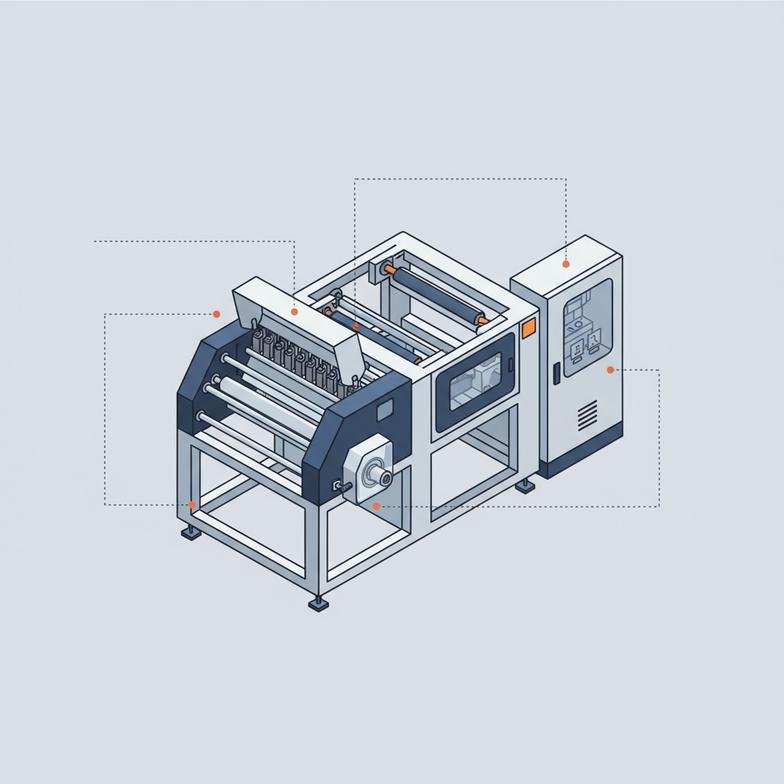
Designing for Accessibility and Simplicity
A machine can have the best parts in the world, but if your team can’t get to them easily, maintenance will be slow, costly, and likely skipped. When we design a machine, our engineers are constantly thinking about the operator who will have to service it years from now.
Great design for maintenance includes:
- Easy Access to Wear Parts: Are the slitting blades, spacers, and anvil rollers easy to remove and replace without major disassembly?
- Centralized Lubrication Points: Instead of having your team hunt for dozens of grease points, a centralized system makes regular lubrication a quick, simple task that gets done correctly.
- Clear Labeling: All major components, wiring, and pneumatic lines should be clearly labeled according to a schematic. This can turn a four-hour troubleshooting puzzle into a 15-minute fix.
During your factory audit or machine inspection, ask the supplier to demonstrate how to change the blades or access a key motor. Their answer (and the machine’s design) will tell you everything you need to know.
The Role of Automation in Reducing Maintenance
Automation isn’t just about speed; it’s about consistency and reliability. Every manual adjustment an operator has to make is a potential source of error that can lead to increased wear or poor-quality output.
Smart automation directly reduces your maintenance burden:
- Automatic Tension Control: Maintains consistent web tension from the master roll to the finished rolls, reducing stress on the web, rollers, and drive system. This prevents issues like telescoping and wrinkling, which are often mistaken for mechanical problems.
- Automatic Blade Positioning: Ensures precise, repeatable slitting setups, which extends blade life and guarantees consistent slit widths without operator guesswork.
- Onboard Diagnostics: Modern PLC systems can monitor the machine’s health, alerting operators to potential issues like low hydraulic pressure or a motor fault before it causes a catastrophic failure. This is the foundation of predictive maintenance.
Component Selection Strategy: Brands Matter for Maintenance
When a supplier says they use "globally recognized components," it’s not just a marketing slogan. It’s a critical feature for your long-term preventive maintenance planning for slitter rewinders. The choice of electrical, pneumatic, and hydraulic components directly impacts your ability to keep the machine running.
| Feature | Supplier Using Obscure/Local Components | Supplier Using Global Brands (e.g., Siemens, Yaskawa, Festo) |
|---|---|---|
| Part Sourcing | You are dependent on the original machine supplier for every replacement part. | You can often source replacements from local distributors, reducing lead times. |
| Downtime Risk | A single failed component can mean weeks of downtime waiting for a shipment. | Critical parts may be available off-the-shelf in your region, getting you back online in hours or days. |
| Technical Support | Your local technicians may be unfamiliar with the parts, making troubleshooting difficult. | Experienced technicians worldwide are familiar with these brands, simplifying diagnostics. |
| Long-Term Viability | If the original supplier goes out of business, your machine could become a giant paperweight. | The ecosystem of support for global brands is independent of the machine manufacturer. |
Choosing a machine with well-known, high-quality components is an insurance policy against extended downtime. It simplifies your spare parts inventory and empowers your local maintenance team.
What Questions Reveal the True Total Cost of Ownership (TCO)?
That initial quote for a new slitter rewinder is just the tip of the iceberg. The real cost—the Total Cost of Ownership (TCO)—is determined by uptime, waste reduction, and the quality of support you receive over the machine’s 10- to 20-year lifespan. A cheap machine that’s constantly down is the most expensive machine you can own.
To uncover the true TCO, you must shift your procurement questions away from just price and speed. You need to become a risk assessor. The right questions will reveal a supplier’s confidence in their own equipment and their commitment to your success.
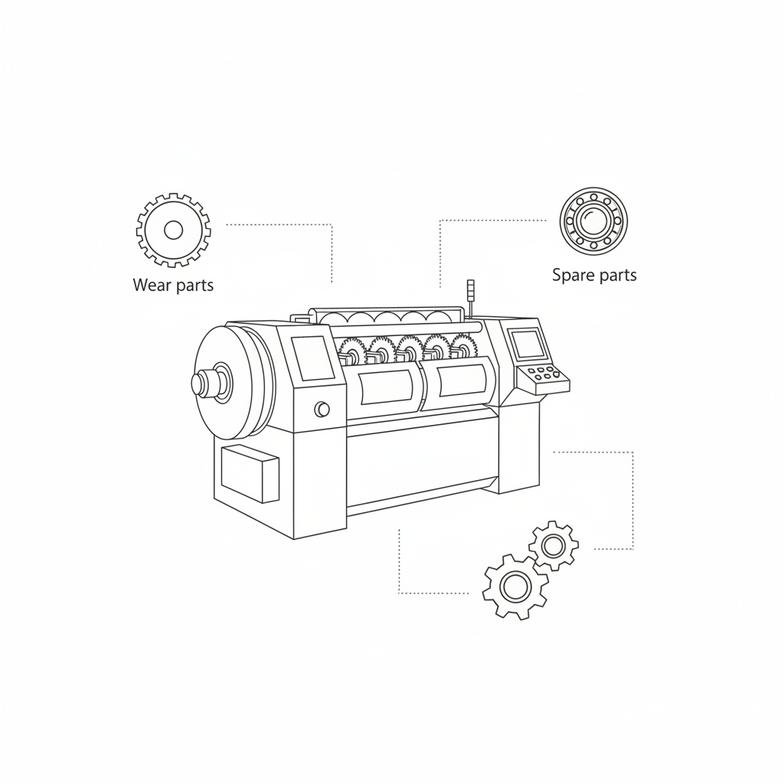
Here are the questions we encourage our prospective customers to ask—not just of us, but of any supplier they evaluate.
Questions About Wear Parts and Lifespan
These questions cut through marketing claims and get to the heart of machine reliability. A transparent supplier will have ready, data-backed answers.
> "For our specific material [e.g., 80 gsm thermal paper] and our 24/7 production schedule, what are the top 3 most common wear parts on this machine?"
This question forces the supplier to acknowledge where the machine is most likely to need attention. If they say "nothing ever fails," they are not being honest. A good answer would be, "For your application, you should pay closest attention to the slitting blades, the separator discs, and the bearings on the main guide roller."
> "What is the expected lifespan of the slitting blades and bearings under these operating conditions before we see a drop in quality?"
They shouldn’t give you a single number. A great answer will be a range, qualified with variables. For example: "With your material, you should expect to sharpen the shear blades every 4-6 weeks. The main NSK bearings are rated for over 50,000 hours, but we recommend checking them annually as part of your preventive maintenance plan."
> "What’s included in the emergency spare parts kit that comes with the machine, and why did you choose those specific parts?"
This is one of my favorite questions. The contents of the spare parts kit reveal what the manufacturer knows from field experience is most likely to need replacement. It’s a blueprint of potential failure points. A well-thought-out kit with sensors, fuses, a specific valve, and a bearing shows they’ve learned from experience. A generic toolkit does not.
Questions About Support and Training
A machine is only as good as the team running it. A supplier’s commitment to training and support is a direct investment in your uptime.
> "Describe your operator training program. How long does it last, what does it cover, and is it focused on operation only, or does it include basic maintenance and troubleshooting?"
Running the machine is easy. Knowing what to do when something goes wrong is hard. At JHSlitter, our standard three-day training covers not only production setup but also routine maintenance, safety procedures, and first-level troubleshooting. A supplier who invests in robust training is helping you become self-sufficient.
> "What is your guaranteed response time for remote technical support, and who will I be speaking with—a salesperson or an actual engineer?"
When your line is down, you need answers fast. You should expect a clear commitment, such as "24-hour online technical communication with an experienced engineer." Knowing you can get an expert on a video call to walk your team through a problem is incredibly valuable.
> "How quickly can you ship critical spare parts to our country, and do you keep them in stock?"
This is where component strategy comes back into play. If they use proprietary parts, you are at their mercy. If they use global brands, you have options. A good supplier will be transparent about lead times and have a clear process for emergency shipments.
Frequently Asked Questions
How often should I really schedule maintenance for my slitter rewinder?
The correct frequency depends entirely on your material, operating hours, machine speed, and the manufacturer’s specific recommendations. A trustworthy supplier won’t give you a generic schedule; they will work with you to create a customized preventive maintenance planning for your slitter rewinder based on your unique operational data.
What’s more important: machine price or the supplier’s support plan?
For long-term profitability and calculating the Total Cost of Ownership (TCO), the supplier’s support plan, component quality, and the machine’s reliability are far more critical than the initial purchase price. A low upfront cost can be quickly erased by frequent downtime and high maintenance expenses.
Can I use third-party spare parts for my slitting machine?
While it might be tempting, it’s risky. Using manufacturer-approved parts guarantees proper fit, performance, and compatibility. It also typically protects your warranty. A good compromise is when the manufacturer, like JHSlitter, builds machines using global brand components, which can often be sourced locally from authorized distributors.
Does automation really reduce maintenance?
Absolutely. Automated features like centralized lubrication systems, automatic blade positioning, and dynamic tension control reduce the chance of human error and ensure the machine operates within its ideal parameters. This consistency lowers stress on mechanical components, leading to less wear, fewer breakdowns, and a more predictable maintenance workload.
Conclusion
Effective preventive maintenance planning for slitter rewinders is not a chore to be handled after your machine is installed. It is a powerful procurement strategy. By shifting your focus from price to reliability and asking incisive questions about design, component quality, wear parts, and lifecycle support, you transform yourself from a simple buyer into a savvy investor. You are not just buying a machine; you are investing in years of predictable, high-quality production. The right supplier will welcome this scrutiny and partner with you to ensure your long-term success.
At JHSlitter, we believe a transparent maintenance discussion is a fundamental part of the sales process. If you’re evaluating a new slitting and rewinding solution, let’s discuss not just the machine’s capabilities, but also the comprehensive lifecycle support that protects your investment. Contact us today to get a customized operational plan tailored to your specific application.