


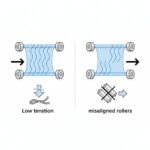
When wrinkles appear on your finished film rolls, the first instinct is often to increase the tension to pull the material flat. It seems logical. But if you’ve tried this and the wrinkles don’t go away—or even get worse—it’s a clear sign you might be solving the wrong problem.
This cycle of trial-and-error adjustments is frustrating and costly. Every minute spent chasing the issue means more wasted material and lost production time. The wrinkle isn’t just a defect; it’s a diagnostic signal. Before you touch another tension setting, the location and shape of that wrinkle can tell you exactly where in your slitting machine to look first.
To reduce film slitting wrinkles, you should first perform a systematic check of your machine’s mechanical setup before adjusting tension. The most common causes are not tension settings alone, but a combination of roller alignment, web path stability, and balanced tension between the unwind, slitting, and rewind sections.
The goal is to stop guessing and start diagnosing. By following a logical sequence, you can find the root cause and get back to producing quality rolls.
What Does the Type of Wrinkle Tell Me About the Problem?
An experienced operator knows that not all wrinkles are the same. The wrinkle’s appearance is your first and an important clue. Looking at the finished roll and identifying the wrinkle’s characteristics is the first step, before you make any adjustments.
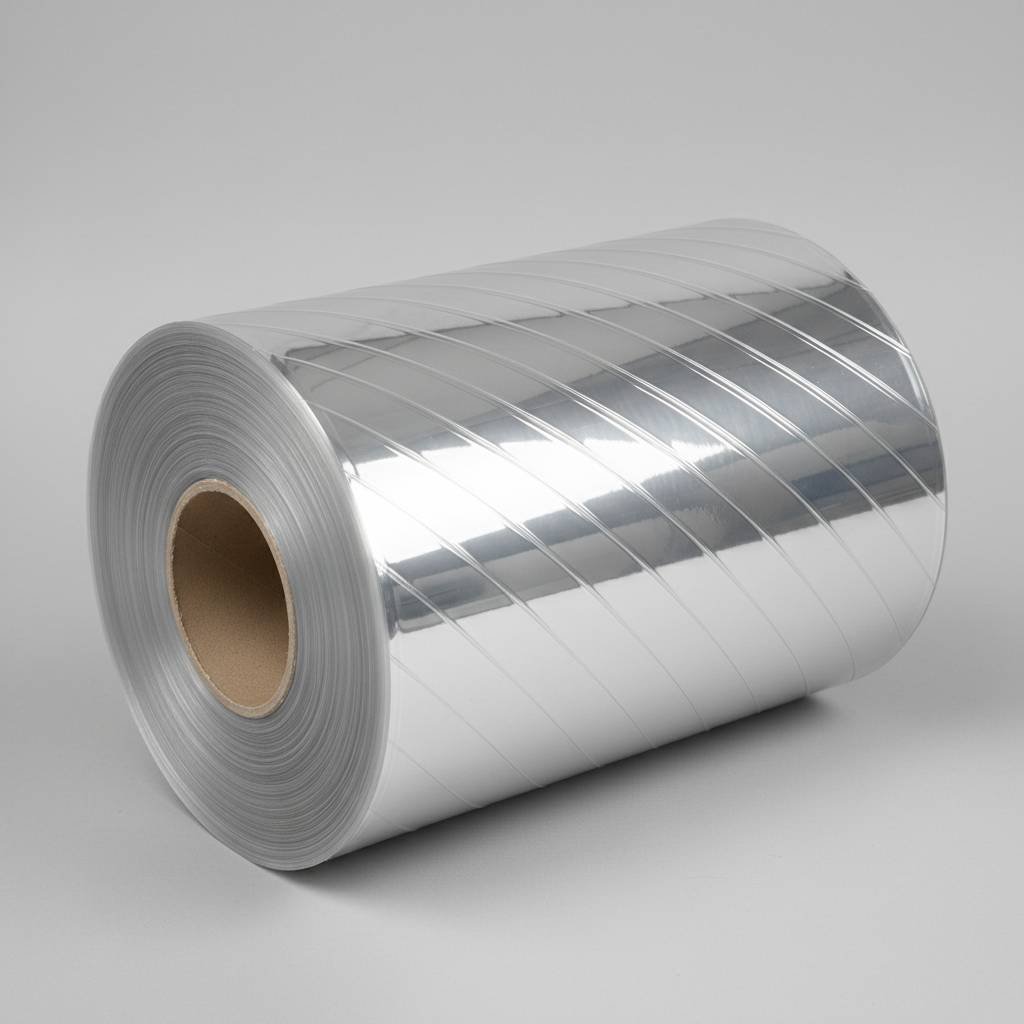
This checklist helps connect the symptom you see to its most likely cause.
Troubleshooting Checklist: From Wrinkle to Root Cause
| Wrinkle Appearance (Symptom) | Likely Cause (Diagnosis) | What to Check First (Action) |
|---|---|---|
| Consistent diagonal wrinkles | A misaligned idler roller | Use a precision level and tape measure to confirm all rollers are parallel to each other and perpendicular to the machine frame. |
| Wrinkles in the center of the web | A bowed roller issue or uneven roller surface | Check the bowed roller’s setting (if present). Inspect and clean the surface of all rollers for residue or damage. |
| Random, intermittent wrinkles | Web flutter or contaminated rollers | Verify the web path is as short and well-supported as possible. Stop and clean all roller surfaces that contact the film. |
| Transverse (across-the-web) wrinkles | Sudden tension change or imbalance | Check the function of the nip roller assembly. Verify that unwind, in-feed, and rewind tension settings are balanced and stable. |
| Wrinkles that appear only at the rewind | Incorrect rewind tension or lay-on roller pressure | Check that rewind tension is tapered correctly. Confirm the lay-on roller (if used) is applying even, minimal pressure. |
How to Systematically Check Your Web Path and Rollers
Many wrinkle issues that get blamed on tension are actually caused by simple mechanical problems. Before you assume a complex tension issue, perform these three fundamental checks after safely stopping and locking out the machine.
1. Verify Web Path Threading: Compare how the film is currently threaded through the machine against the original threading diagram in your machine’s manual. A small deviation, especially after a roll change, can introduce instability and lead to wrinkles. Check that the film is properly supported and isn’t spanning long, unsupported distances where it can flutter.
2. Inspect Roller Surfaces: Carefully clean and inspect the surface of every roller that touches the film. Even a small piece of tape, a buildup of adhesive residue, or a nick in a roller’s surface can create a high point that causes a consistent wrinkle.
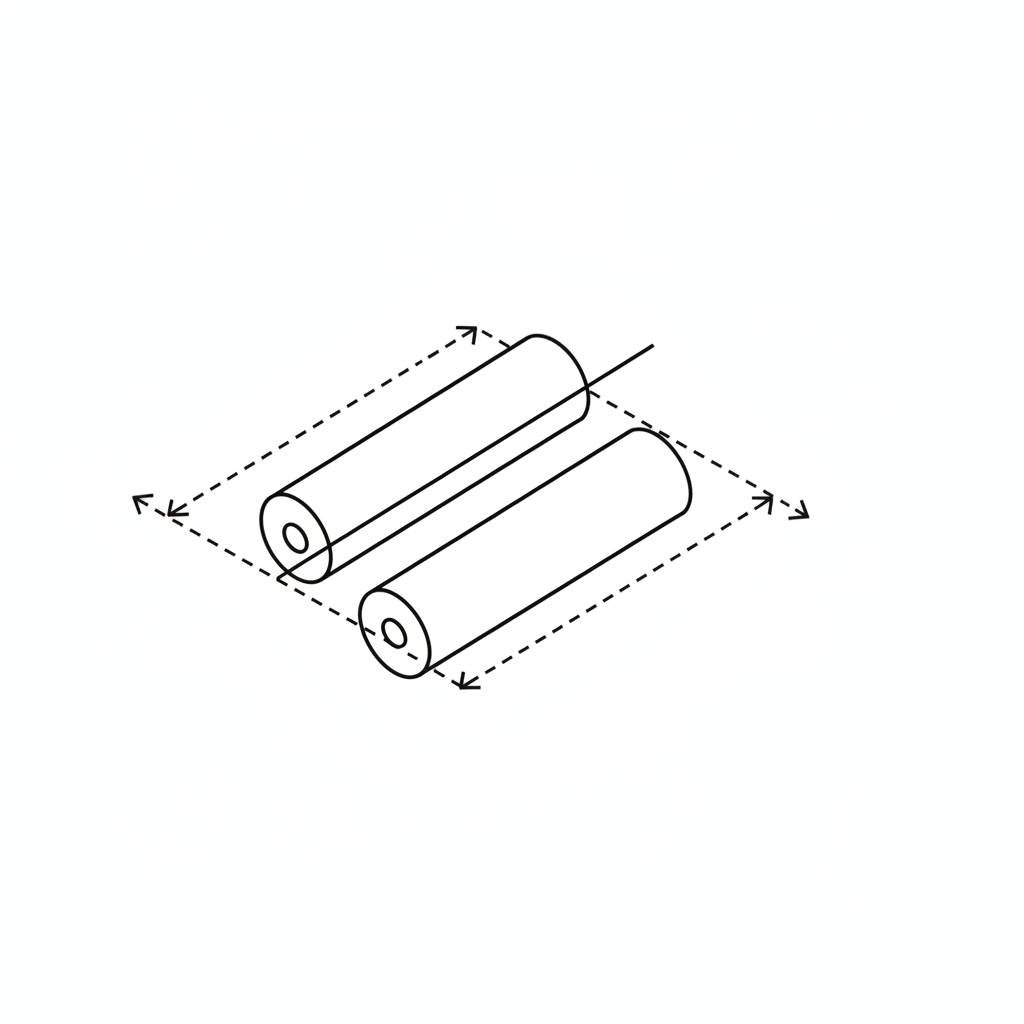
3. Check Roller Alignment: This is one of the most common and overlooked causes of diagonal wrinkles. A roller that is not parallel to the others forces the film to travel a longer path on one side, creating a tension differential that results in a wrinkle.
You can perform a basic alignment check with a machinist’s level and a tape measure. First, use the level to check that each roller is horizontal. Then, measure the distance between the same point on two consecutive rollers, first on the operator side and then on the drive side. The measurements should be identical. If they are not, the roller is misaligned and needs to be adjusted.
How Should I Approach Tension Adjustments to Avoid Making Wrinkles Worse?
Only after you have confirmed your web path is correct and your rollers are clean and aligned should you evaluate tension. For most modern films (like BOPP, PET, LLDPE), the counterintuitive truth is that excessive tension is a more common cause of wrinkles than insufficient tension.
Pulling the film too tightly can permanently stretch and damage it, creating lasting wrinkles or distortion. The real goal isn’t high tension; it’s stable and balanced tension across the machine.
Think of your slitter in terms of three key zones:
- Unwind Zone: The tension applied to the parent roll.
- Slitting Zone: The tension between the unwind and the rewind, often isolated by a nip roller or S-wrap assembly. This should be stable.
- Rewind Zone: The tension applied to the finished rolls.
Instead of making one large adjustment, verify that each zone is stable. A nip roller assembly, for example, is designed to isolate the slitting section from tension fluctuations at the unwind. If it’s not functioning correctly, problems can transfer down the line. When you do make adjustments, make small, incremental changes and observe the result before changing anything else.
What Information Should I Prepare Before Contacting a Supplier?
If you have performed these systematic checks—verifying the web path, cleaning and aligning the rollers, and making targeted tension adjustments—and the wrinkle problem persists, it may indicate a mismatch between your film’s properties and your machine’s capabilities.
To help our engineers diagnose the issue, please prepare the following information before contacting us:
- Material Details: Film type (e.g., PET, BOPP), thickness in microns, and web width.
- Machine Details: Your slitter rewinder model and age, if known.
- Problem Evidence: Clear photos or a short video showing the wrinkle on the finished roll. If possible, try to capture where it first appears in the web path.
- Checks Performed: A brief summary of the alignment and tension checks you have already tried.
With this information, we can provide a more accurate diagnosis and determine if a component upgrade, a configuration change, or a different machine solution is the right next step.