

Choosing a rewinder is tough. The wrong choice means slow changeovers and damaged rolls. Let’s make sure your new machine perfectly fits your production needs and avoids costly problems.
Shaft rewinding offers excellent support for smaller, lighter rolls and delicate materials[1]. Shaftless rewinding is better for handling heavy, large-diameter rolls and allows for much faster changeovers[2]. The right choice depends on your specific material, roll weight, and production speed requirements, not on which technology is “newer.”
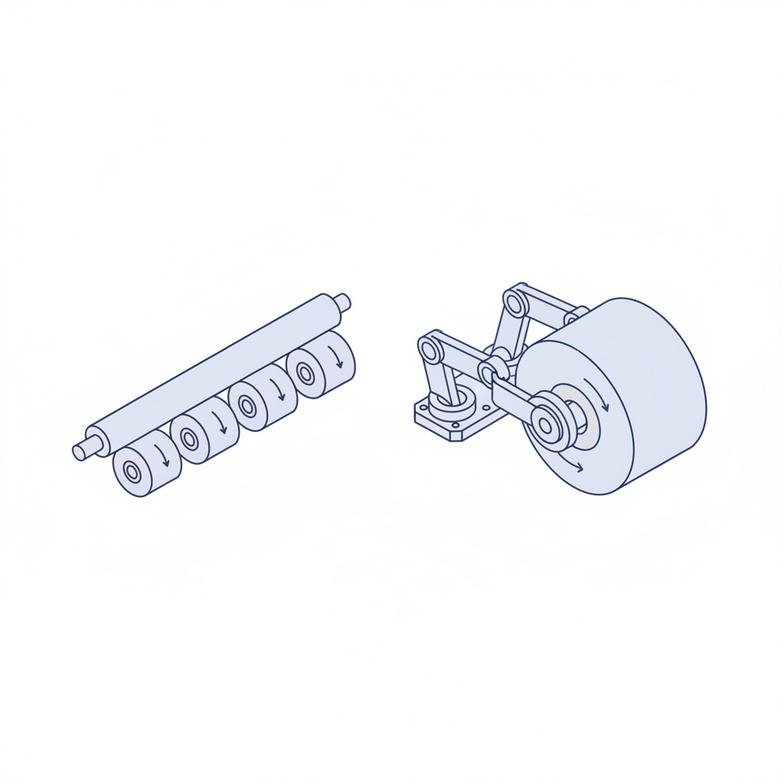
Many buyers see “shaft” or “shaftless” on a quote and don’t grasp the huge impact it has on daily operations. It’s more than just a technical detail; it defines your production flow, labor needs, and final roll quality. Let’s look at the specific situations where each design makes the most sense.
Is Shaft Rewinding the Safest Bet for Your Materials?
Are you processing delicate materials or narrow rolls? Unstable rewinding can cause wrinkles and telescoping[3], ruining your product. A shaft rewinder provides the rigid support to ensure perfect roll quality.
Yes, for certain materials. Shaft rewinding is excellent for lightweight rolls or materials that need rigid core support, like thin films or label stock. The shaft prevents the core from crushing and helps maintain even winding tension[4], resulting in a perfectly straight, high-quality finished roll.
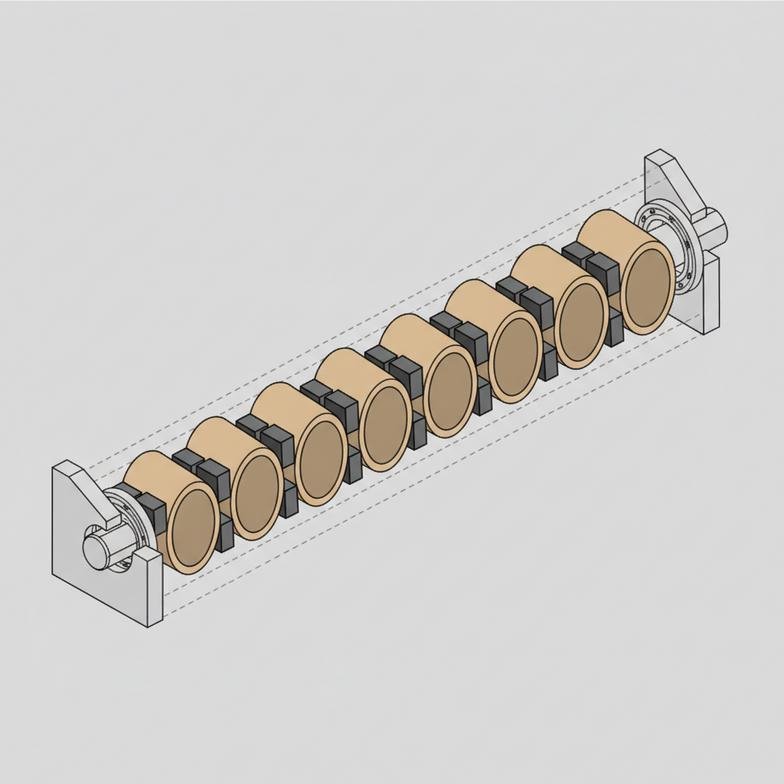
A common question I get from paper converters is how to prevent core crush. For materials like thermal paper or cash register rolls, a shaft provides a solid backbone. It runs through the center of all the new cores, locking them in place. This ensures every finished roll is built on a stable foundation, preventing telescoping and ensuring a flat, even edge. In my experience, this is critical for narrow width slitting[5].
However, this stability comes with trade-offs. The main one is changeover speed. When a set of rolls is finished, an operator has to physically pull the entire heavy shaft out, slide off each roll, slide on new cores, and then lift the heavy shaft back into the machine. This takes time and physical effort. It also means you’re locked into one core size unless you buy and store multiple expensive shafts.
Key Considerations for Shaft Rewinding
| Aspect | Advantage | Disadvantage |
|---|---|---|
| Roll Quality | Excellent support, prevents core crush and telescoping. | Can generate core dust, not ideal for cleanrooms[6]. |
| Changeover | Simple, reliable mechanism. | Slow, labor-intensive process. |
| Flexibility | Great for dedicated production runs with one core size. | Inflexible; requires a separate shaft for each core ID. |
| Cost | Lower initial machine cost in some cases. | Higher operational cost due to downtime and extra shafts. |
When Does Shaftless Rewinding Become a Necessity?
Do your operators struggle to lift heavy rolls and shafts? This process is slow, unsafe, and kills your productivity. Shaftless rewinding automates loading and unloading, making production much faster.
Shaftless rewinding is necessary for heavy, large-diameter rolls that make a physical shaft impractical and unsafe to handle[7]. It is also the best choice for high-volume converters who need fast changeovers to maximize uptime, as roll changes take seconds instead of minutes[8].
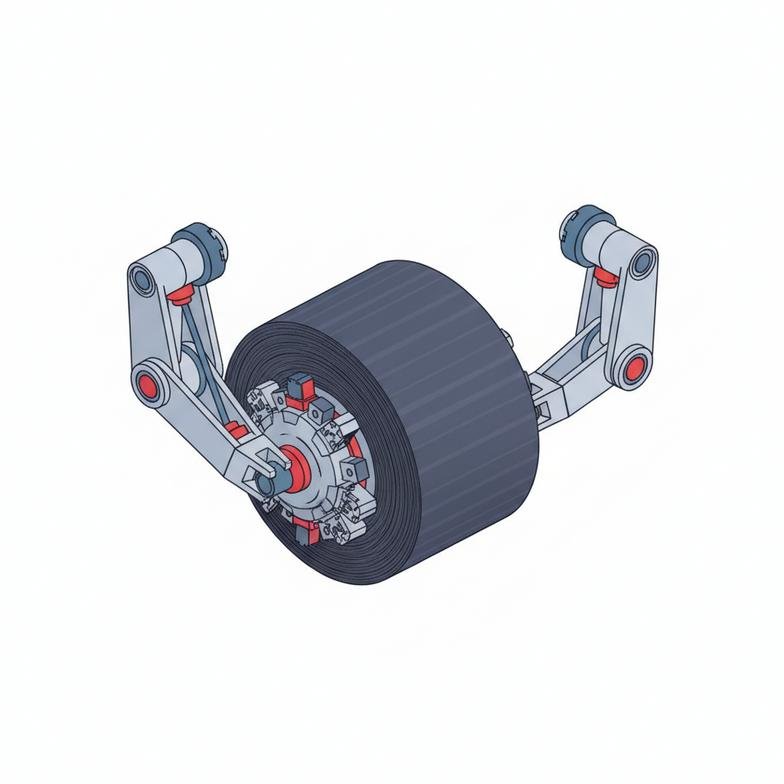
I often speak with flexible packaging and nonwoven producers who need to process jumbo rolls over 1000mm in diameter and weighing hundreds of kilograms. For them, a shaft is not an option; it’s a safety hazard. This is where shaftless rewinding becomes a necessity. Instead of a long steel bar, the machine has two chucks on mechanical arms that grip the core from either side. When a roll is finished, the arms open, and the roll can be automatically pushed out onto a cart. The operator places a new core, and the arms close again. The entire process takes seconds.
This speed and safety are the main drivers. It also offers amazing flexibility. Switching from a 3-inch core to a 6-inch core often just involves changing the chuck heads, not a whole heavy shaft. However, the risk shifts from operator strain to machine engineering. Because there’s no central support, the machine’s frame, guiding rollers, and tension control system must be perfect. Any instability will be magnified, leading to poor roll quality.
Shaftless Rewinding: Key Trade-offs
| Aspect | Advantage | Disadvantage |
|---|---|---|
| Productivity | Extremely fast changeovers, maximizing machine uptime. | Higher initial investment cost. |
| Roll Handling | Ideal for heavy, large-diameter rolls. | Requires precise alignment and machine stability. |
| Safety | Eliminates heavy manual lifting of shafts. | System complexity requires more skilled maintenance[9]. |
| Flexibility | Easily accommodates different core diameters. | Less suitable for very narrow, unstable finished rolls[10]. |
How Do I Choose the Right Rewind System for My Quote?
Comparing quotes is confusing. Choosing the cheaper option might seem smart, but it could be a costly mistake. You must ask the right questions to ensure the machine solves your problems.
To choose correctly, analyze your rolls’ maximum weight and diameter. If they are heavy (e.g., over 100kg[11]), choose shaftless. Also, consider changeover frequency. If you change rolls many times per shift, the speed of a shaftless system will pay for itself very quickly.
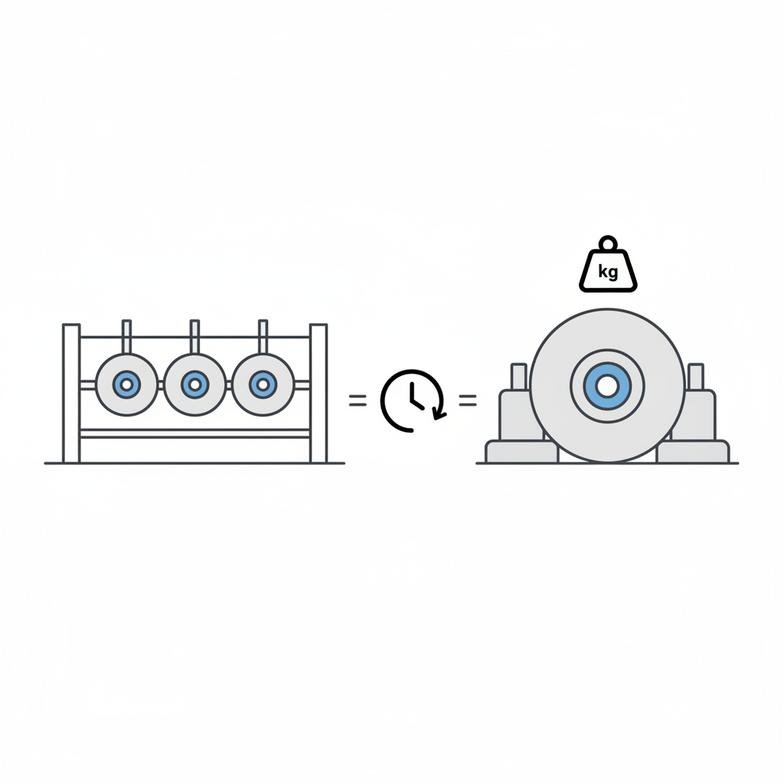
When a customer sends an inquiry for a “1600mm slitter,” the first thing I do is ignore the width and ask about their rolls. The choice between shaft and shaftless isn’t theoretical; it’s a practical decision based on your daily work. Before you approve a quote, you must answer these questions for yourself and your supplier. I walk every client through this checklist.
First, what’s your maximum finished roll weight? This is the most critical factor. If a finished roll set on a shaft weighs more than what one or two operators can safely handle, you must choose a shaftless design. Safety comes first. Second, how much does downtime cost you? A shaft changeover can take 5-10 minutes, while a shaftless changeover can be under a minute. Multiply that time difference by the number of changeovers per day. The productivity gain from a shaftless system can be enormous, often justifying the higher initial price in months, not years[12]. Finally, how flexible do you need to be? If you switch between 3″ and 6″ cores frequently, a shaftless machine will save you headaches, time, and the cost of buying multiple shafts.
Conclusion
The best rewinding system is not about shaft versus shaftless. It’s about matching the machine’s design to your material, roll size, and operational speed to ensure maximum productivity.
References
- [PDF] Differential Rewind Shafts – Double E Group↩
- Manual vs Automatic Slitting Machines↩
- Roll Winding Defects Troubleshooting Guide↩
- [PDF] WINDING AND UNWINDING WEBS – BioResources↩
- Principles of Narrow Web Slitting – Paper, Film & Foil Converter↩
- Recognized Consensus Standards: Medical Devices – FDA↩
- OSHA procedures for safe weight limits when manually lifting↩
- T200S | Top-of-the-range Tissue rewinder with shaftless configuration↩
- [PDF] Competency Model for Mechatronics Technician↩
- ASHE Narrow Web Slitter Rewinders & Label Slitting Machines↩
- OSHA procedures for safe weight limits when manually lifting↩
- ROI Calculator↩