

Are you tired of seeing telescoping rolls, inconsistent edges, and other defects coming off your slitting line? These issues are more than just frustrating; they create costly material waste, risk customer rejections, and grind your production to a halt. When you’re facing uneven rewinding, your first instinct might be to blame the rewinder itself, but the solution is almost always found by looking at the entire system.
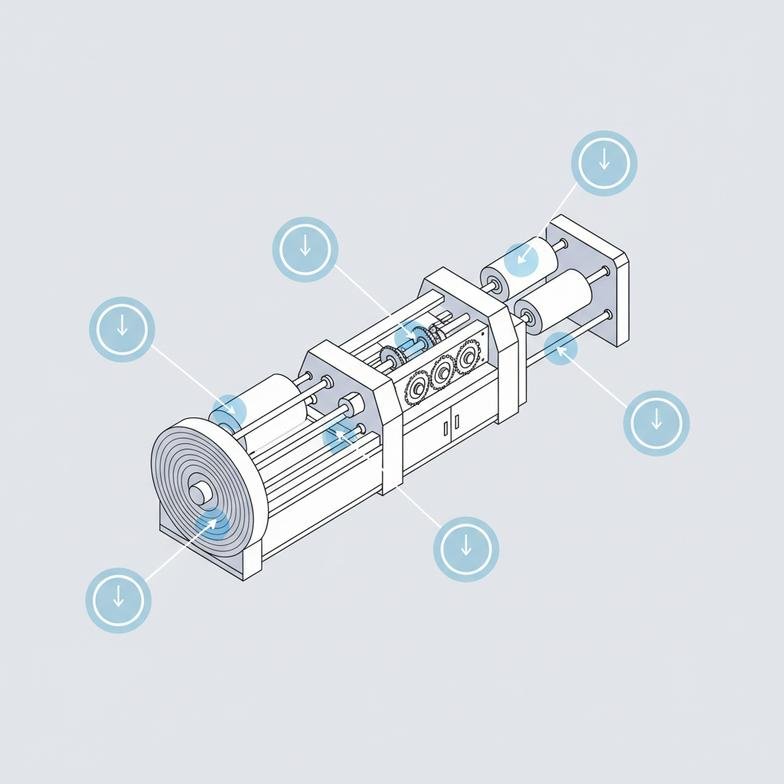
The first things to check for uneven rewinding are not on the rewinder itself. You should start by diagnosing your tension control system to ensure it’s appropriate for your material. Then, move upstream to inspect the consistency of the unwinding brake, the alignment of rollers throughout the web path, and the sharpness and runout of your slitting blades. The problem is almost always a system-level issue, not an isolated fault.
I get it, your immediate goal is to fix the bad rolls coming off the machine. But treating the symptom without finding the root cause is a recipe for more downtime. Let’s dig into a diagnostic process that actually solves the problem for good.
Is It Really "Uneven Rewinding" or Something More Specific?
When a customer calls us and says they’re having "rewinding problems," the first thing we do is ask for a picture of the roll. Why? Because "uneven rewinding" is a catch-all term for several different, specific defects.
Pinpointing the exact type of defect is the first step in a real diagnosis. Each problem tells a different story about what’s going wrong in your process. It’s like telling a doctor you "feel sick"—they need more information to help.
Decoding Your Roll Defects
Think of yourself as a detective. The defective roll is your crime scene, and the clues are right there in front of you. Here are the most common culprits we see and what they usually mean:
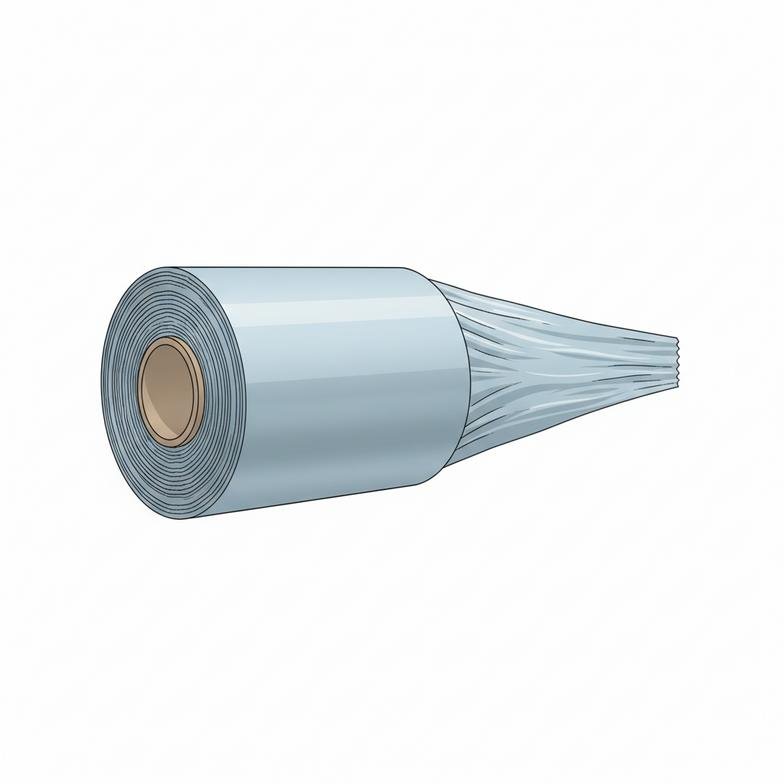
- Telescoping: This is when layers of the rewound roll progressively shift to one side, creating a cone or telescope shape. It’s one of the most common forms of uneven rewinding. This almost always points to inconsistent tension or poor web alignment. As the roll builds, even a tiny variation in tension can cause the layers to slip.
- Starring or Dished Rolls: When you look at the side of the roll, you see a star-like pattern radiating from the core. This happens when the initial winding tension is too high. The inner layers get crushed by the pressure of the outer layers being wound on top, causing them to buckle. This is a classic sign of excessive winding tension, especially at the start of the roll.
- Inconsistent Roll Density (Hard/Soft Spots): You might have a roll that looks good on the outside, but it feels soft in some areas and rock-hard in others. This can cause major problems in downstream processes like printing or laminating. It’s often caused by fluctuating web tension or a rewinding system that isn’t capable of handling material thickness variations.
Here’s a simple table to keep in your back pocket:
| Defect Type | Most Likely Cause | Where to Investigate First |
|---|---|---|
| Telescoping | Inconsistent tension / Web misalignment | Tension control system, roller alignment |
| Starring | Excessive winding tension | Taper tension settings, initial tension |
| Inconsistent Density | Fluctuating tension / Material variation | Unwind brake, nip roller pressure, rewinding shaft type |
| Edge Damage/Cracks | Dull blades / Excessive tension | Slitting blades, web path, tension settings |
By identifying the specific problem, you move from a vague complaint to a focused investigation.
Why Is Tension Control More Critical Than Speed for Preventing Uneven Rewinding?
It’s easy to get caught up in the top speeds advertised by machine manufacturers. But I’ve seen countless factories buy a 500 m/min machine only to run it at 200 m/min because the roll quality falls apart at higher speeds. This is a classic mistake.
The real hero of roll quality isn’t speed; it’s the sophistication of the tension control system. A machine with precise, stable tension control running at a moderate speed will always produce better rolls than a high-speed machine with a crude, unstable system. For preventing uneven rewinding, tension is everything.
The Difference Between Guessing and Knowing: Open-Loop vs. Closed-Loop
Understanding the type of tension control in your machine is critical. This is where many problems with uneven rewinding originate.
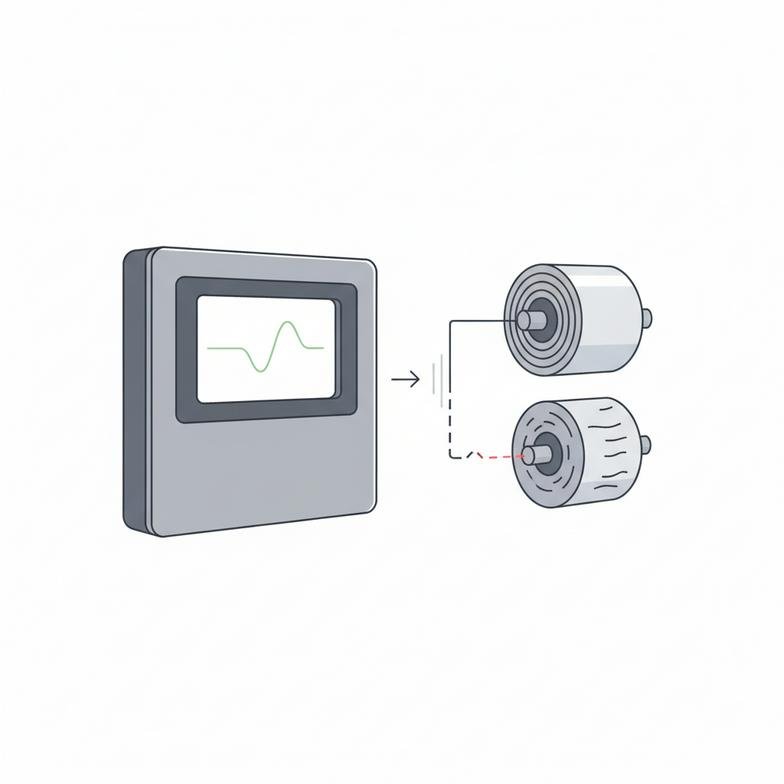
- Open-Loop Systems: These are more basic. They control tension based on pre-set parameters, like the diameter of the unwinding roll. A simple magnetic powder brake that reduces braking force as the roll gets smaller is a common example. It’s essentially guessing what the tension should be. It doesn’t measure the actual web tension, so it can’t react to variables like material inconsistency or splices.
- Closed-Loop Systems: This is the professional standard. These systems use load cells (tension sensors) to continuously measure the actual tension in the web. This data is fed back to a controller (like a PLC), which then automatically adjusts the unwind brake or rewind motor torque to maintain the exact target tension. It’s not guessing; it’s knowing and reacting in real-time.
A few years ago, we had a customer processing a very thin, stretchy film who was struggling with constant telescoping. Their machine had a basic open-loop brake. We helped them upgrade to a closed-loop system with load cells. The problem disappeared overnight, and they were able to increase their usable production speed by 30% because the tension was finally stable.
Not All Materials Are Created Equal
Your material’s properties dictate the level of tension control you need.
- Plastic Films (PET, BOPP): These materials are elastic. Too much tension and they stretch, leading to neck-in and deformed rolls. Too little, and you get loose, telescoped rolls. They demand a highly responsive, closed-loop system.
- Aluminum Foil: This material is delicate and unforgiving. It doesn’t stretch, but it can easily be scratched, wrinkled, or deformed by inconsistent tension. Precision is paramount.
- Paper and Paperboard: These are generally more stable and less sensitive to minor tension fluctuations. You can often get away with a simpler system, but for high-speed or high-quality applications, closed-loop is still far superior.
Focusing on speed without first confirming the tension control system is like buying a race car with bad steering. You have all the power but no way to control it, leading directly to a crash—or in our case, a pile of wasted rolls.
Where Does the Problem of Uneven Rewinding Actually Begin?
You’re seeing the bad result at the end of the line, but the cause of uneven rewinding rarely starts at the rewinding shaft. To properly diagnose the issue, you have to work your way backward through the entire machine.
The problem often starts the moment the master roll begins to unwind. Any instability introduced at the beginning of the process will only get magnified as the material travels through the machine and is slit into narrower strips.
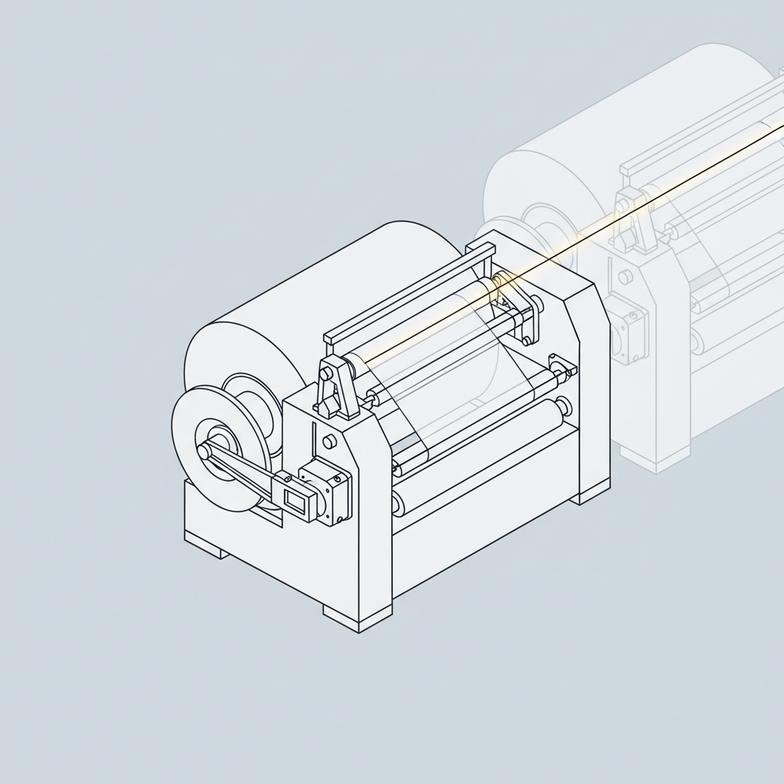
Your Diagnostic Journey: A Step-by-Step Guide
Think of your slitter rewinder as a complete system. Let’s walk the path your material takes and identify the key checkpoints.
1. The Unwinding Station: This is your first and most important checkpoint. Is the brake on your unwind stand applying smooth, consistent resistance? A jerky or pulsing brake sends tension waves down the entire web, making quality rewinding impossible. Check pneumatic brake pressure, magnetic powder brake current, or motor torque settings. 2. The Web Path Rollers: Every roller the material touches—from the idler rollers to the dancer roller—must be perfectly aligned and parallel. Misaligned rollers can steer the web offline, creating uneven tension across its width. Also, check that the rollers spin freely. A dragging roller creates friction and localized tension spikes. 3. The Dancer Roller/System: If your machine has a dancer system, is it moving smoothly? The dancer’s job is to buffer small, rapid changes in tension. If it’s sticking or bouncing, it’s not doing its job and is likely contributing to the problem. 4. The Slitting Section: Now we get to the blades. Are they sharp? Dull blades don’t cut cleanly; they tear and deform the material’s edge. This damaged edge won’t wind up straight. Also, check for blade "runout" or wobble. Even a tiny wobble can cause a noticeable variation in the slit width, which leads directly to bad-looking rolls. 5. The Spreader Roller: Before rewinding, a spreader roller (like a bow or banana roller) is often used to separate the slit strips. If this roller isn’t adjusted correctly for your material, it can introduce wrinkles or uneven tension just before the final wind.
Only after checking all these upstream points should you focus on the rewinder itself. By then, you’ve likely already found the culprit.
How Can You Turn Troubleshooting into Smart Supplier Vetting?
Are you constantly fighting the same battles with uneven rewinding? After a while, you have to ask a tough question: Am I just troubleshooting a process, or am I fighting against the fundamental limits of my machine?
Instead of just using a checklist to fix today’s problem, you should use that same logic to evaluate your next machine purchase. Turning your troubleshooting experience into a supplier qualification framework is the smartest move you can make. It stops you from buying the same problem all over again.

Questions That Separate Experts from Amateurs
When we talk to potential customers, we encourage them to ask us—and any other supplier—tough questions. Your goal is to understand if their machine is truly engineered for your specific application.
Here are the questions you should be asking:
- About Tension Control:
- "What type of tension control system does this machine use? Is it open-loop or closed-loop?"
- "Does it use load cells for real-time feedback? Where are they located?"
- "Can you explain the taper tension control feature and how it’s programmed?"
- About Rewinding Technology:
- "Is this a center rewind, surface rewind, or differential rewind machine?" (Ask them to explain why they recommend a certain type for your material.)
- "For multi-roll slitting, how does the machine compensate for thickness variations across the web? Does it use differential friction shafts?"
- About Proof of Performance:
- "Can you show me a video of this machine running a material similar to mine, at the speed you are quoting?"
- "Can you provide references from customers who slit my type of material?"
- "What is the guaranteed slitting accuracy and what kind of roll quality can I expect?"
A good supplier will welcome these questions and have clear, confident answers. They should be able to explain the engineering behind their recommendations. If a supplier gets defensive or can’t answer, it’s a huge red flag. You’re not just buying steel and motors; you’re investing in a production result. Make sure the supplier is capable of delivering it.
Frequently Asked Questions
Can I fix uneven rewinding by just slowing down the machine?
Slowing down might temporarily mask the symptom, but it doesn’t fix the root cause. It’s an inefficient solution that hurts your productivity. The real fix is to identify the source of the instability—be it tension control, alignment, or blade condition—so you can run at optimal, profitable speeds.
What is a differential rewinding shaft and do I need one?
A differential shaft has multiple slip rings that allow each individual roll to wind at a slightly different speed. This is crucial when slitting materials with thickness variations across the web. It ensures every roll is wound at the correct, uniform tension, preventing a mix of hard and soft rolls. It’s essential for high-quality film, foil, and label applications.
How often should I check my slitting blades?
This depends heavily on your material and production volume. For abrasive materials, you might need to check daily. As a general rule, inspect blades for chips or dullness at the start of every shift. A planned blade management program, where you track usage and replace blades on a schedule, is far better than waiting for quality to drop.
Does the core material and quality affect rewinding?
Absolutely. Low-quality, crushed, or out-of-round cores will not start a roll properly, leading to vibrations and tension issues from the very first wrap. Always use high-quality, rigid cores that match your shaft specifications to ensure a stable foundation for the roll.
Conclusion
The key takeaway is this: uneven rewinding is rarely a simple problem with a simple fix. It’s a system-level issue that signals a mismatch between your material, your process settings, and your machine’s capabilities. Instead of just looking at the finished roll, you need to become a detective and trace the problem all the way back to the unwind stand. Focus on achieving stable, consistent tension—that’s where true quality comes from. And when evaluating new equipment, use your hard-won experience to ask tough questions that prove a machine is truly engineered for your needs.
If you’re tired of battling these issues and want to explore a slitting solution designed from the ground up for your specific material, our team at JHSlitter is here to help. Contact us for a technical consultation, and let’s build quality rolls together.