



It’s a common problem: your operator fixes a loose roll by increasing tension, only for the next set to be wound so tight the material is stretched and deformed. You solve that, and now the rolls are "telescoping" or coning to one side.
This frustrating cycle of trial-and-error adjustments leads to a growing pile of scrapped material in the corner of your workshop. Each defective roll represents lost money, wasted production time, and the potential for a customer complaint if it slips through quality control.
The core issue is that you might be treating these as three different problems. From a machine supplier’s perspective, they are often interconnected symptoms of a single root cause: an imbalanced slitting system.
Finished rolls often become loose, tight, or telescoped due to an imbalance between unwind and rewind tension, incorrect pressure from the lay-on roller, or subtle machine misalignments. The specific defect you see depends on your material type and how these factors interact during the slitting process.
Instead of guessing at adjustments, you can use a logical diagnostic process to find and fix the root cause, leading to consistent, high-quality finished rolls.
Should I Treat Loose, Tight, and Telescoped Rolls as Separate Problems?
No, you should treat them as related symptoms. Chasing one defect with a single, blunt adjustment often creates another. For example, simply "cranking up" the rewind tension to fix a loose roll can easily lead to stretched film, layers sticking together (blocking), or internal stresses that cause the roll to telescope after it’s removed from the machine.
Think of your slitter rewinder as a system. An imbalance anywhere in the web path will show up as a defect in the final roll. The goal is not just to fix the immediate symptom but to restore balance to the entire process. By understanding the core causes, you can move from reactive adjustments to proactive control.
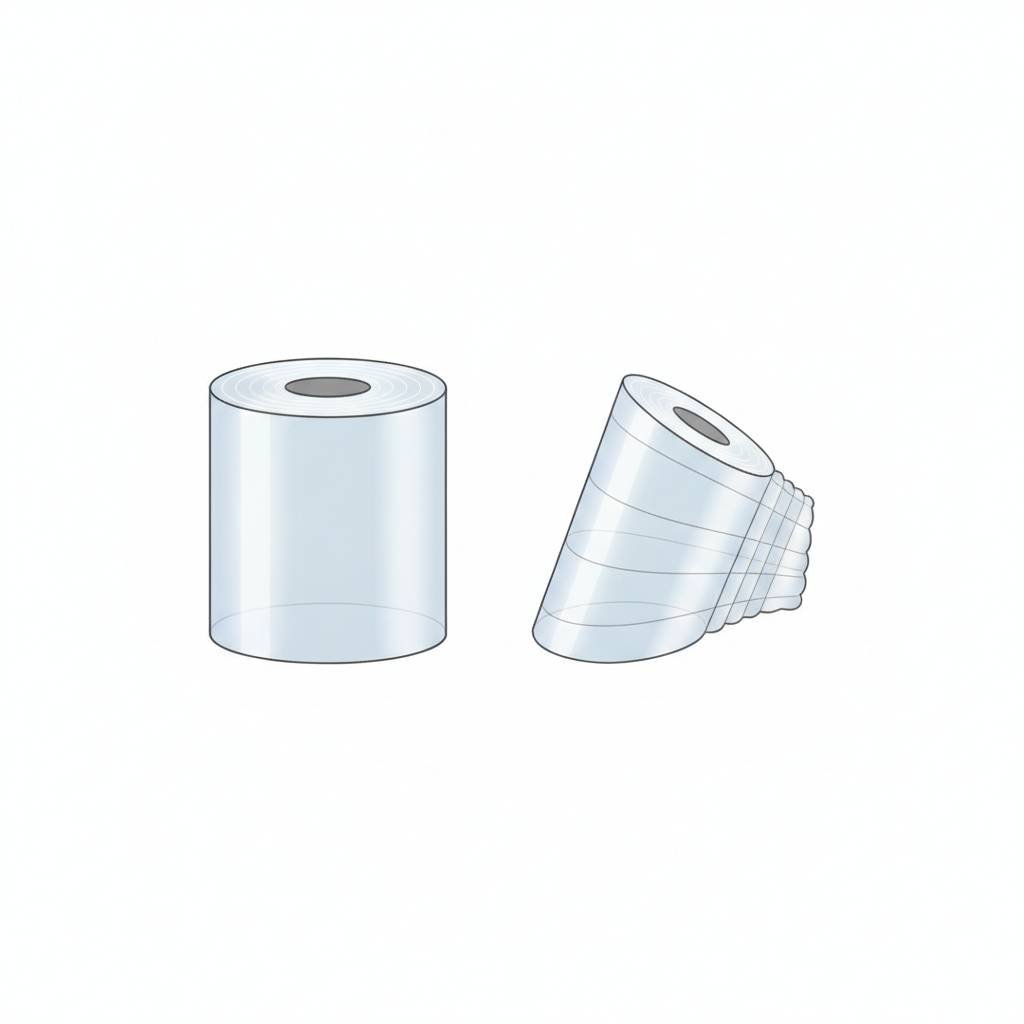
What are the 3 Main Causes of Poor Roll Quality?
Most roll quality issues can be traced back to an imbalance in one of three areas. The specific defect you see is often a clue that points to one of these causes.
1. Tension Imbalance
This is the most common cause. It’s not about a single "tension" setting, but the relationship between three key zones:
- Unwind Tension: The force holding back the parent roll. If it’s unstable, the material can flutter into the blades.
- Slitting Zone: The material should be stable and flat as it passes the blades.
- Rewind Tension: The force pulling the slit material onto the finished roll cores.
A key concept here is taper tension. As a finished roll gets larger in diameter, it requires slightly less winding tension to achieve the same roll density. A machine without proper taper tension control will wind the roll too tightly at the start and too loosely at the end, causing defects.
2. Incorrect Winding Pressure
Many slitters use a "lay-on roller" or "contact roller" that presses against the finished rolls as they wind. This roller’s job is to control roll density and squeeze out trapped air.
- Too much pressure: Can cause overly tight rolls, material stretching, or blocking, where layers stick together.
- Too little pressure: Can allow air to be trapped between layers, resulting in loose, soft rolls that are unstable.
Many operators believe a rock-hard roll is a good roll. This is not always true. For stretchy films or pressure-sensitive materials, a roll that is too tight can cause deformation or adhesive bleed, creating a bigger problem for your customer. The goal is a stable roll with consistent density, not maximum hardness.
3. Machine Alignment
Telescoping that consistently happens on the same side is a major clue that something is physically out of alignment. The web path must be perfectly parallel and level. A small, consistent pull in one direction from a misaligned roller or an off-center web guide is a primary cause of telescoping.
A Practical Checklist to Diagnose Your Roll Defects
Instead of random adjustments, use this checklist to logically diagnose the issue on your machine. Find the symptom you’re experiencing and start with the recommended check.
Roll Defect Diagnostic Checklist
| Symptom | Likely Cause | What to Check First |
|---|---|---|
| Rolls are loose on the outside, but tight near the core. | Lack of "taper tension." | Check if your machine has a taper tension setting. Confirm it is active and set appropriately for the material and final diameter. |
| Rolls are too tight, layers are blocking, or material is stretched. | Excessive rewind tension or excessive lay-on roller pressure. | First, try reducing the pneumatic pressure to the lay-on roller. If that doesn’t work, then reduce the overall rewind tension setting. |
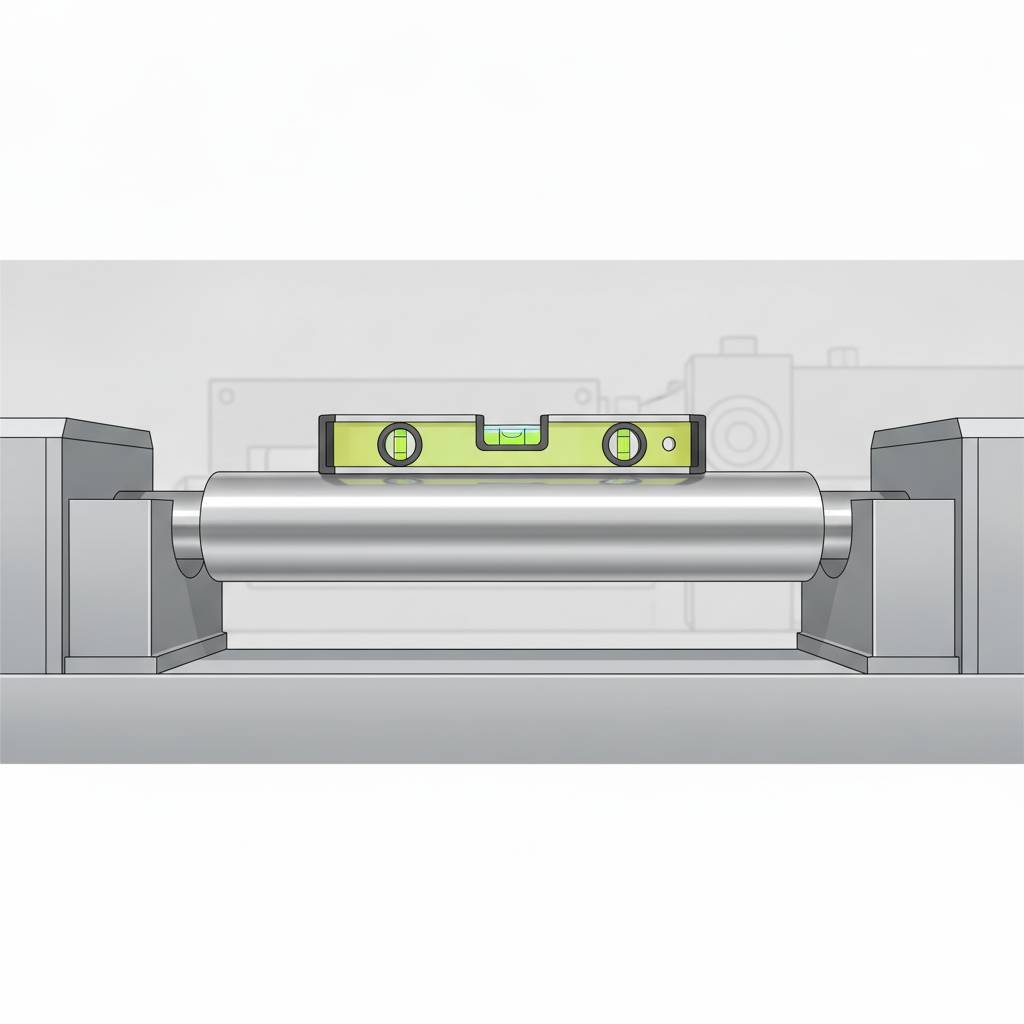
| Rolls are telescoping (coning) consistently to the same side. | Web path misalignment. | Use a spirit level to check key rollers and the machine frame. Verify the web guide sensor is perfectly centered on the web. |
| Rolls are loose near the core and unstable. | Poor start due to low-quality cores or incorrect starting tension. | Inspect the physical quality of your rewind cores. Confirm the starting rewind tension is sufficient to grip the core without slipping. |
If you suspect an alignment issue but cannot easily access the rollers, a simple observation can help. Watch the material as it runs. Does the web guide seem to be constantly pushing or pulling in only one direction? This is a strong indicator of an alignment problem that the guide is trying to correct.
What Information Helps a Supplier Diagnose My Roll Problems Faster?
If you’ve run through the checklist and the problem persists, the issue might be a machine capability limitation for your specific material. Before contacting a machine supplier for support, preparing the right information will lead to a much faster and more accurate solution.
A supplier can’t help effectively if you just say, "My rolls are bad." To get real help, you need to provide data. This allows an experienced technician to move past the guesswork and identify the root cause.
Prepare the following information before you make a call or send an email:
1. Photos or Videos: A clear picture of the defective roll next to a good one. A short video of the machine running can also be very helpful. 2. Material Details: The exact type of material (e.g., PET film, kraft paper, nonwoven fabric), its thickness (in microns or gsm), and web width. 3. Roll Dimensions: The diameter of the parent roll and the target diameter of the finished rolls. 4. Machine Settings: The unwind tension, rewind tension, and lay-on roller pressure settings (if applicable) you were using when the defect occurred. 5. Core Details: The type (cardboard, plastic), diameter, and wall thickness of the rewind cores you are using.
With this information, a supplier can quickly assess whether the issue is likely a setting adjustment, a mechanical problem, or a sign that your current machine is not equipped with the right tension and winding control systems for your application.